Last Updated: November 24, 2026
Quick Summary
Measure every shelf and drawer before you shop, then subtract 1 to 2 inches from shelf width so storage baskets slide in without scraping. Choose material by the room's moisture and traffic, and buy decorative baskets only after paint and flooring are finished.
- Measure shelf depth and pick a basket no deeper than the shelf itself.
- Straight-sided baskets hold more in the same footprint than sloped or nesting ones.
- Natural fiber baskets are not suited to damp areas, so pick moisture-resistant material for humid rooms.
- Label the front edge of each closet basket, not the lid, so labels stay visible.
- Add felt pads under baskets that sit on finished hardwood or painted shelves.
Ready to finish your shelves?Shop handwoven jute storage baskets with delivery included in the price shown.
Shop Jute Baskets
Table of Contents
How Do You Pick Storage Baskets for a Renovation?
The fastest way to pick storage baskets for a renovation is to measure every shelf and drawer first, then choose material, size, and lid style to match the room and your finishes.
Storage baskets are containers, usually woven or fabric, that hold loose items on open shelves, in closets, and inside drawers while adding visible texture to a room. The right ones make open shelving look deliberate instead of cluttered.
Below, we walk through measuring, material choice, and a room-by-room framework, plus the small details most buying guides skip. This guide covers fit, material, visibility, room, and finish, in that order.
Measure First: A Fit Checklist for Shelves and Drawers
The biggest mistake we see is buying baskets before measuring the shelf space they will live in. Baskets that overhang a shelf edge look sloppy, and ones that leave a wide gap waste capacity. A renovation makes this worse because shelving, drawer boxes, and trim are often installed before the baskets are chosen, so a single mismeasurement can strand a whole category of storage.
Run this checklist before you shop:
Bring those numbers to any product page and compare against the listed dimensions.
Width, Depth, Height, and Clearance
Width decides whether a basket fits at all. Depth decides whether it looks built in or perched on the edge. Height and clearance decide whether you can reach in, or whether a lid will even open.
Leaving a small gap on each side of a shelf basket helps it slide in and out without scraping.
Shelf lips and trim matter too.
Capacity and Straight-Sided vs. Sloped Baskets
Straight-sided baskets hold more in the same footprint because the walls do not taper inward. Sloped or nesting baskets save space when empty and look softer, but they lose capacity at the base. When capacity matters, compare base dimensions rather than top dimensions, since sloped sides reduce the usable base.
For deep shelves holding heavy items, straight sides win. For lightweight linens and quick tidy-ups, a sloped or foldable basket is easier to handle.
Access After Installation
Fit is not only about the shelf; it is about the path to the shelf. Check that a loaded basket can be lifted off the shelf and carried out of the room without hitting a door frame, a counter overhang, or a pendant light.
Watch out: measuring only the shelf and ignoring the handle protrusion, shelf lip, or door swing is the most common reason a basket that looked right online will not sit or slide correctly once it is in the room.
Match Material and Construction to the Room
Material choice should follow the room's moisture, traffic, and cleaning routine, not just the color palette. A basket that suits a bedroom can fail badly in a bathroom.
Here is how the main materials compare:
| Material |
Best For |
Watch Out For |
| Woven natural fibers |
Living rooms, bedrooms, open shelving |
Keep dry; avoid damp rooms |
| Felt |
Closets, drawers, soft goods |
Can sag under heavy loads |
| Bamboo |
Bathrooms, kitchens, mudrooms |
Check joints and finish |
| Mesh or fabric |
Laundry, toys, travel |
Less structure when empty |
Sturdiness matters more than most shoppers expect. A basket that collapses when half full will not survive a busy mudroom. Check whether the base is reinforced and whether handles are stitched or stapled.
Watch out: natural fiber baskets are not suited to damp areas, so choose a moisture-resistant material for humid rooms.
Decorative Storage Baskets for Shelves That Look Intentional
Decorative storage baskets for shelves work best when you treat the shelf as a composition, not a dumping ground. Group baskets in odd numbers, vary heights, and repeat one material to tie the display together.
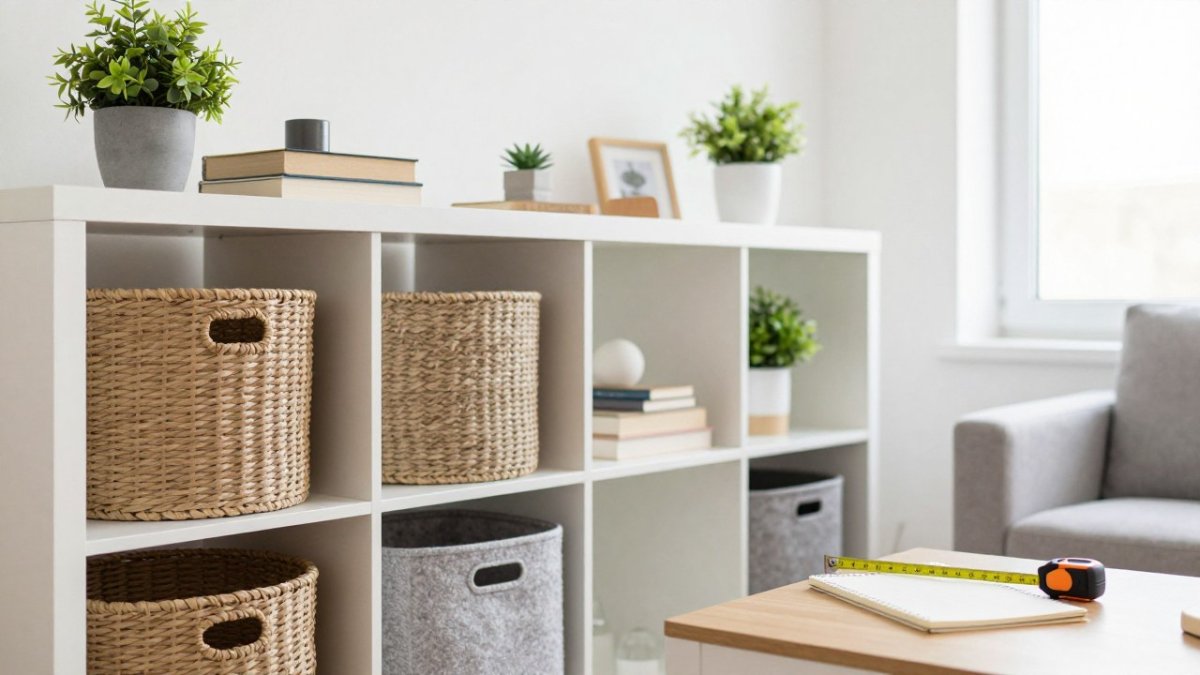 Diagram illustrating the process of styling neutral woven and felt baskets on living room shelves
Three rules carry most of the look:
- Use baskets to hide the ugly items and let one or two pretty objects stay visible
- Keep one consistent color family, then add texture rather than more color
- Leave breathing room between baskets so each one reads as a deliberate choice
Neutral colors photograph well and stay flexible if you repaint later. Texture does the visual work that pattern would otherwise do.
Organizing Baskets for Closet and Wardrobe Systems
Organizing baskets for closet and wardrobe systems should be chosen by what they hold, not by how they look on the shelf. Folded clothes need wide, shallow baskets; accessories need small divided ones.
Start with a sort: keep, donate, store, and toss. Then assign one basket per category so nothing drifts back into a pile. You can see the foldable organizer basket for clothes and toys we carry if you want a low-cost starting point.
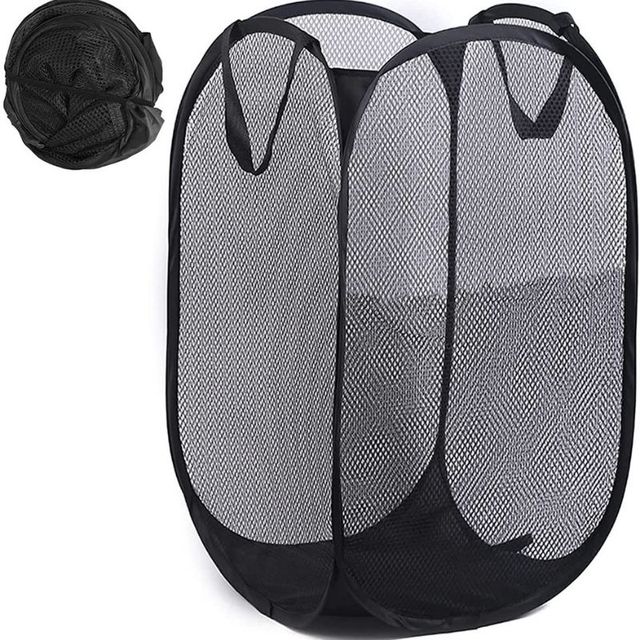 Foldable Organizer Basket For Clothes and Toys
Label the front edge of each basket, not the lid. Labels you cannot see from standing height get ignored within a week.
Small Storage Baskets for Drawers and Odds and Ends
Small storage baskets for drawers are the difference between a drawer you can use and a drawer you dig through. The rule we follow: one category per small basket, and nothing loose rattling around beside it.
Drawer baskets should sit below the drawer's closing height with room to spare. Measure the interior, not the drawer front, because drawer boxes are often smaller than they appear.
For odds and ends that will not sit flat, a compact hanging or rack organizer keeps small items visible instead of buried. Our 5 in 1 stainless steel storage hanger rack is built for exactly that kind of small-item overflow.
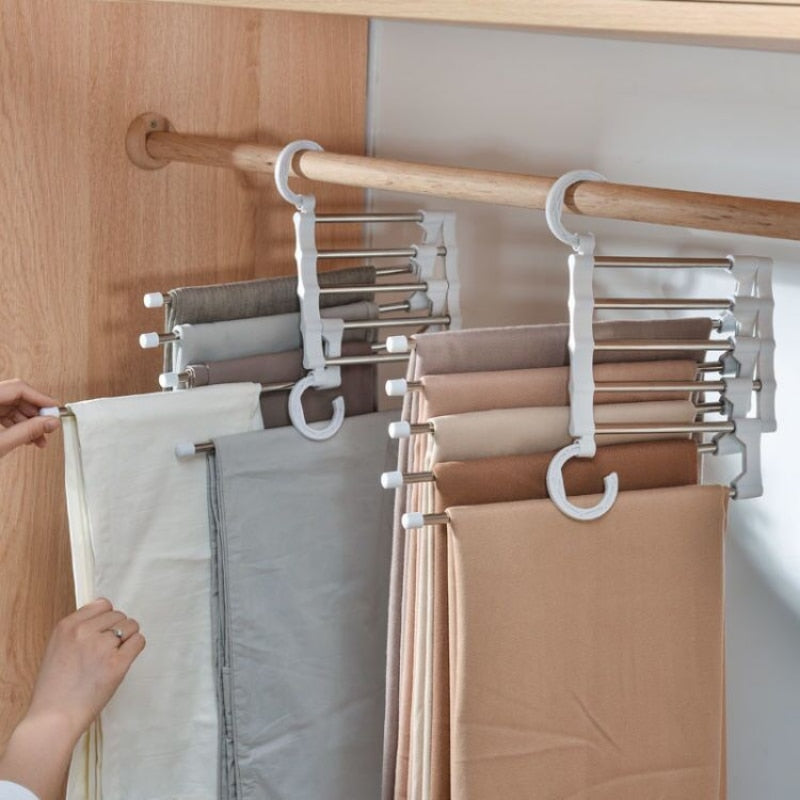 5 in 1 Stainless Steel Storage Hanger Rack
Watch out: overfilling a drawer basket so the lid or drawer will not close is the fastest way to undo a good sort. Leave a finger's width of slack at the top.
Woven Storage Baskets for Shelves: Texture That Works
Woven storage baskets for shelves bring warmth that plastic bins cannot match, and they hide clutter while still letting air move. Natural fibers also age well, softening rather than cracking.
Handwoven jute suits open shelving, plants, trinkets, and kitchen herbs. You can browse the handwoven jute nest storage baskets on Vireous.Shop.
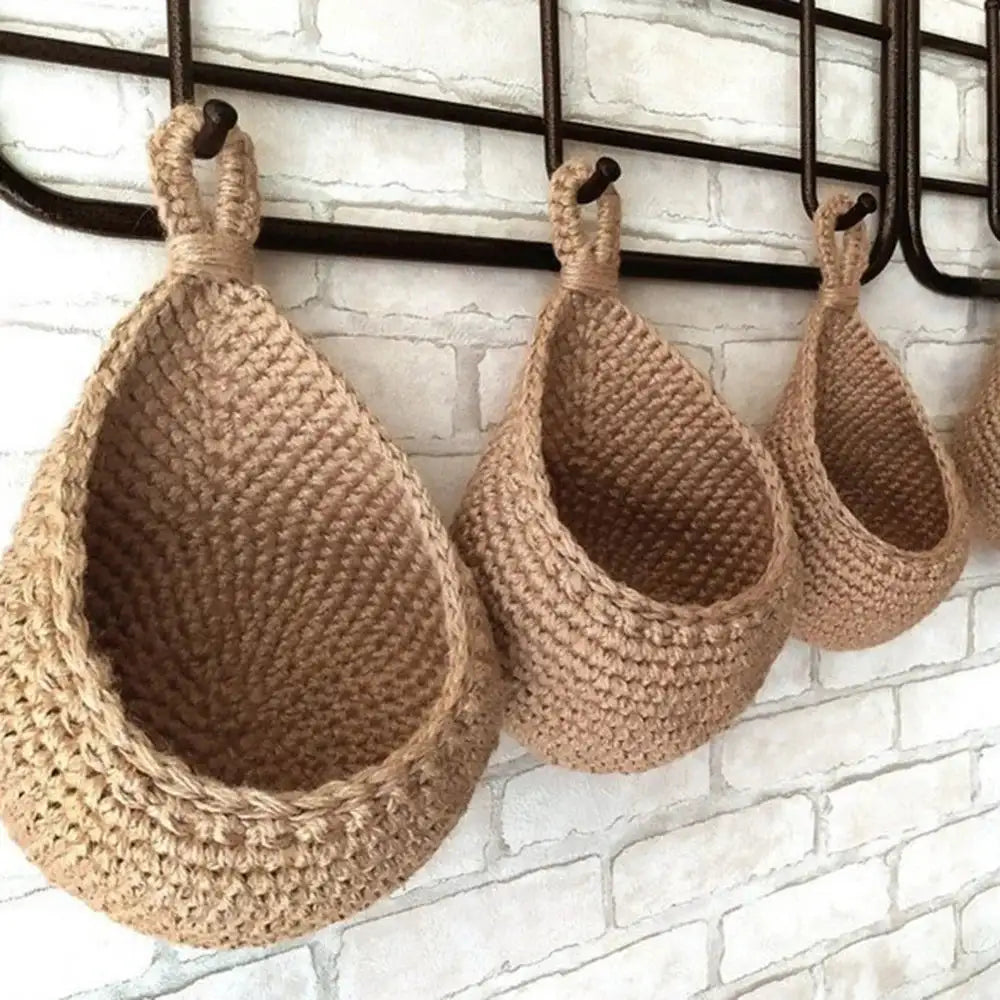 Handwoven Jute Nest Storage Baskets
Keep woven baskets out of damp areas and wipe spills quickly.
Coordinate Baskets With Your Renovation Finishes
Coordinate baskets with your renovation finishes by pulling one or two tones from the room's fixed elements: cabinet color, floor tone, or hardware metal. Baskets are the easiest thing to change later, so let them echo the room rather than lead it. The renovation-specific angle most guides skip is timing: baskets chosen before finishes are locked in tend to fight the room, while baskets chosen after the paint and flooring are down can be matched with confidence.
Match Texture and Tone to Fixed Finishes
Start with the finishes that will not change: cabinetry, flooring, countertops, and hardware. If your cabinets are a warm white and your floors are a medium oak, a natural jute or rattan basket repeats both tones without adding a new color. If your hardware is matte black, a basket with a dark leather pull or a blackened metal rim ties the storage to the room's metal story.
A simple rule: repeat one color and one texture from the fixed finishes, then stop. Two echoes read as intentional; three or more start to look matched rather than designed.
Sequence Baskets Around the Renovation Stages
Baskets serve two different jobs during a renovation, and they should be bought in two waves.
-
During construction: choose sturdy, wipeable baskets for sorting supplies, protecting finished surfaces, and corralling tools. Mesh or coated fabric baskets with handles work well here because they can be wiped down and moved easily. Keep these baskets out of rooms where finishes are still curing, and use them to group items by trade or by room so nothing migrates.
-
After finishes are complete: add the decorative woven and felt baskets that will live on open shelves. Buying these last means you can match them to the actual paint, floor, and hardware rather than to a sample chip.
This staged approach avoids buying twice and keeps your nice baskets out of the dust zone.
A Room-by-Room Finish Framework
-
Kitchen and pantry: bamboo or woven, open-top, labeled by food category; match to cabinet tone and choose a finish that wipes clean near the range
-
Bathroom: bamboo or sealed finishes, lidded for privacy; avoid raw natural fibers in a room that stays humid
-
Bedroom and closet: felt and woven, mixed sizes, one category per basket; echo the bedding and floor tones
-
Mudroom and laundry: sturdy mesh or fabric, handles essential, easy to wipe; choose a dark or mid tone that hides scuffs
-
Living room: woven and decorative, neutral tones, styled in odd numbers; repeat the wood tone of the floor or furniture
Protect Finished Surfaces During the Project
A renovation detail that most basket guides ignore is surface protection. Felt pads under baskets that sit on finished hardwood or painted shelves prevent scratches when the basket is slid in and out.
Watch out: buying decorative baskets before the paint and flooring are finalized is the most common way renovation shoppers end up with a basket that clashes with the finished room, so hold the aesthetic purchase until the fixed finishes are in place.
Frequently Asked Questions
How do you choose the right size storage basket for a shelf?
Measure the shelf's width, depth, and the height between shelves, then subtract at least 1 inch of clearance on each side so baskets slide in and out without scraping. Check the basket's exterior dimensions, not its stated capacity, since sloped sides can waste usable space. Aim for baskets that fill roughly 80 to 90 percent of the shelf width so the unit looks tidy rather than cluttered with gaps.
Are woven storage baskets practical for everyday organization?
Yes, when you match the weave to the job. Tightly woven jute and seagrass hold their shape and handle daily use well, while loose weaves snag on clothing and small items. Use woven baskets on open shelves where texture adds warmth, and keep them away from damp areas like bathrooms. At Vireous.Shop, our handwoven jute nest baskets are built for storage and plant display, so they work in living rooms and entryways alike.
How can you keep storage baskets looking cohesive in a room?
Stick to two or three materials and one color family across the whole room, then vary size for rhythm. Repeat the same basket style on open shelving so the eye reads it as a set, and use lidded or felt bins where you want to hide clutter. Tie the palette to your renovation finishes, for example warm jute with oak floors or black mesh with matte black hardware, so the baskets feel planned rather than collected.
Should you buy baskets before or after a renovation is finished?
Buy after final measurements but before the last coat of paint, so you can order with exact shelf dimensions in hand and still have everything ready on move-in day. Measure once framing and shelving are installed, since studs and trim can shift usable space. Ordering early also lets you test one basket in the room and confirm the color works with your finishes before committing to a full set.