

Table of Contents
- Why Personalized Apparel Matters for Your Creator Brand
- Best Print-on-Demand Options for Creators
- How to Design Merch for Your Brand
- Influencer Merchandise Ideas That Drive Engagement
- Choosing the Right Printing Method and Fabrics
- Building Your Merch Store and Managing Inventory
- Sustainable and Ethical Considerations
- Tax and Legal Considerations for Creator Merchandise
Last Updated: August 27, 2026
Why Personalized Apparel Matters for Your Creator Brand
Building a creator brand means giving your audience something tangible to connect with. Personalized apparel has become a cornerstone of modern creator monetization, transforming passive viewers into active brand ambassadors who wear your identity.
When creators launch merch, they're extending their brand into the physical world. A fan wearing your branded hoodie becomes a walking advertisement, carrying your message to coffee shops, gyms, and social gatherings (ama.org). That visibility compounds over time, building recognition and loyalty that algorithms alone cannot achieve.
Audiences increasingly want ownership, something that feels made specifically for them, not mass-produced and generic. AI-powered design tools have made this possible at scale. Instead of ordering 500 identical shirts, creators can now offer limited drops, custom colorways, and designs that speak directly to different audience segments.
Print-on-demand eliminates inventory risk. You don't hold stock or guess wrong on sizes. Every order is made to specification and shipped directly to the customer, removing the biggest barrier to entry: capital investment.
Best Print-on-Demand Options for Creators
Print-on-demand platforms vary by audience size, design complexity, and customization needs.
Vireous.Shop stands out for creators who want AI-powered design generation built into the process. Describe what you want and the platform generates options using DALL-E 3 integration. Same-day or next-day dispatch means you can respond to trends in real time. The platform offers private label options for canvas art, garments, and bags. The Money Back Guarantee removes purchase anxiety, if the product doesn't match the preview, you get your money back.
For creators, Vireous.Shop offers AI design tools to handle creative work and fast turnaround to test what resonates with your audience. The guarantee means you can confidently promote without worrying about quality disasters.
Other platforms optimize for different needs: some prioritize bulk pricing for high-volume orders, others focus on apparel variety or print quality for premium markets.
| Platform | Best For | Key Advantage | Turnaround |
|---|---|---|---|
| Vireous.Shop | Creators with AI design needs | DALL-E 3 integration + fast dispatch | Same/next day |
| Print-on-demand generalists | High volume, bulk pricing | Economies of scale | 3-5 days |
| Specialty apparel providers | Premium quality focus | Fabric selection, finish options | 5-7 days |
| Direct-to-garment specialists | Complex designs, photo prints | Print quality and durability | 2-3 days |
Time-to-market is the key metric. If you can design, produce, and ship within 24 hours, you can capitalize on on-trend topics while they're hot.
How to Design Merch for Your Brand
Design is where most creator merch fails, not because designs are ugly, but because they don't align with the creator's actual brand or audience identity.
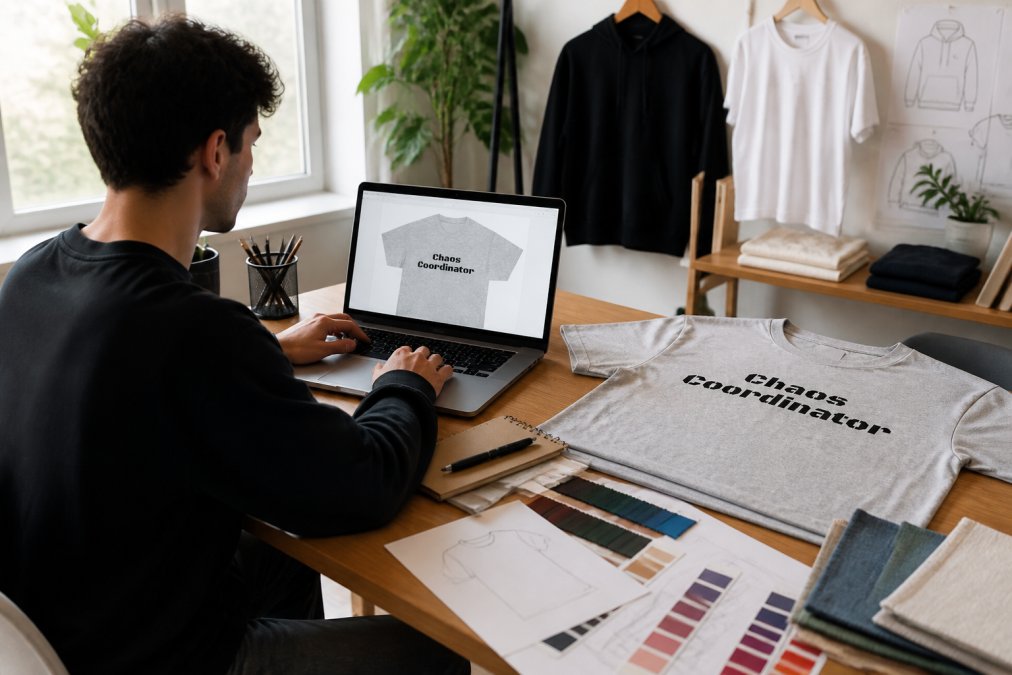
Start by identifying what your audience actually wants to wear. Look at your comments. What jokes do people repeat? What phrases do they use? Your merch should amplify these themes, not introduce new ones.
The most successful designs are simple, readable from across a room, and instantly recognizable as connected to your brand. A single bold graphic often outperforms intricate multi-color designs.
Color choice matters more than most creators realize. If your thumbnails are predominantly blue and orange, your merch should follow that palette. Consistency builds recognition. When someone sees your merch in the wild, they should immediately know whose brand it is.
Using AI-Powered Design Tools
AI design generation works best when you give it specific direction. Instead of "make a cool design," use "create a minimalist graphic of [specific concept] in black and white with bold typography."
Vireous.Shop's integration with OpenAI lets you generate multiple design variations from natural language prompts. This is faster than hiring a designer and cheaper than buying stock graphics. The preview system shows exactly what the final product will look like before production.
The real power comes from iteration. Generate variations, test them with a small audience, see which resonates, then refine based on feedback. This cycle takes days with traditional design workflows but hours with AI tools.
Design Trends for Your Niche
Design trends vary dramatically by creator niche. Gaming audiences respond to bold graphics, neon colors, and gaming iconography. Fitness creators succeed with motivational typography and clean aesthetics. Humor-focused communities want designs that reference inside jokes and signal community membership.
Successful merch designs reflect the subculture of the creator's audience. They're specific enough that wearing the merch signals membership in that community.
Influencer Merchandise Ideas That Drive Engagement
Merchandise is both a revenue stream and an engagement tool. The best merch ideas create conversation and encourage sharing.
Exclusive drops work. Limited quantities create urgency. If you announce 200 hoodies available for 48 hours, people act faster. The key is actually limiting quantity, if you claim scarcity but produce unlimited stock, trust erodes.
Collaborative designs with other creators expand reach. Both communities grow, and the merch becomes a bridge between audiences.
Audience-voted designs generate participation. Ask your community which design they prefer. They vote, you produce the winner. Voters feel invested in the outcome and are more likely to buy.
Behind-the-scenes merch works for certain niches, creating a sense of belonging among people who understand the reference.
Seasonal drops align with natural engagement cycles: holiday merch, back-to-school drops, summer collections.
Choosing the Right Printing Method and Fabrics
Each printing method has tradeoffs between quality, cost, and durability.
Direct-to-garment printing applies ink directly to fabric using specialized printers. This works best for complex, multi-color designs with fine detail. Quality is excellent but cost is higher per unit, making it ideal for limited runs and custom orders.
Screen printing is the traditional method. It's ideal for simple designs with 2-4 colors. Initial setup cost is high, but per-unit cost drops dramatically with volume. For 500+ units, screen printing often beats DTG on price.
Embroidery adds texture and premium feel, works for logos and simple graphics, and offers excellent durability at higher cost.
Fabric choice affects both cost and customer satisfaction. Cotton is affordable and breathable. Blends offer better durability and color retention. Premium options like organic cotton command higher prices but appeal to quality-conscious audiences.
Weight matters. A 6-ounce t-shirt feels flimsy; a 7-ounce shirt feels substantial (astm.org). The cost difference is minimal but the perception difference is massive.
Match the printing method to your design complexity and order volume. Simple designs with high volume? Screen printing. Complex designs with custom orders? Direct-to-garment. Premium positioning? Embroidery.
Building Your Merch Store and Managing Inventory
With print-on-demand, inventory management is nearly eliminated. You don't stock anything. Orders come in, the fulfillment center produces and ships. Your only job is managing designs and pricing.
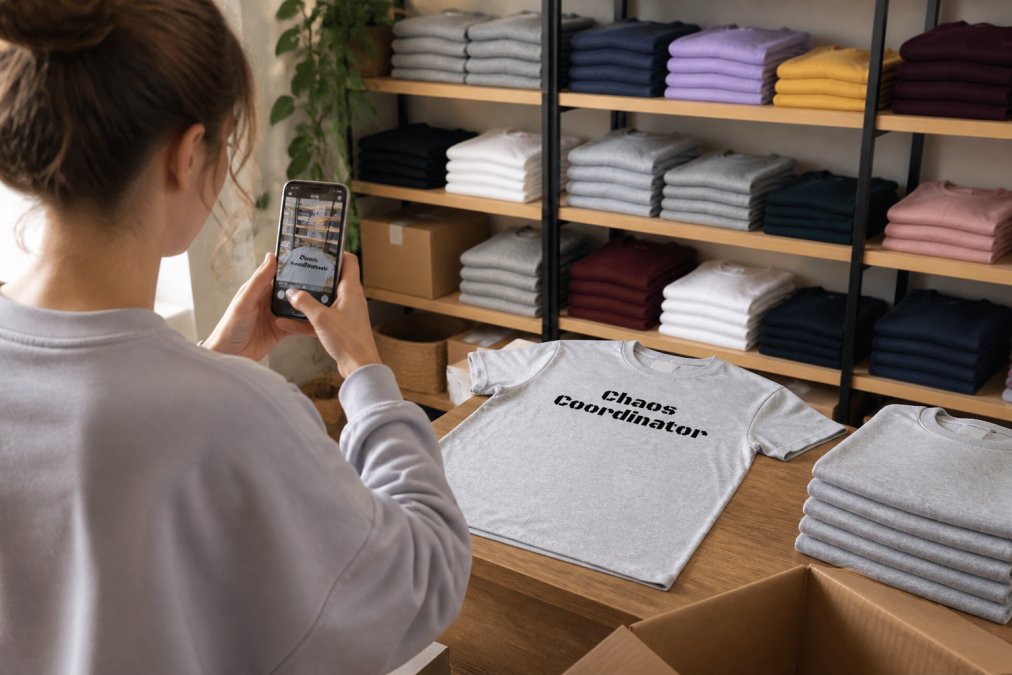
Your storefront should be simple to navigate. Organize by product type and design. Make it easy for someone to find what they want in under 30 seconds.
Promotion is where most creators stumble. Mention merch in videos, link from your social profiles, create exclusivity around drops, and offer early access to engaged followers.
Email is underrated. People on your email list are already committed fans ready to buy. Email drives higher conversion than social media for merch.
The Money Back Guarantee from Vireous.Shop removes a major objection. When you can confidently guarantee satisfaction, conversion rates improve.
Sustainable and Ethical Considerations
Merch production has environmental impact. Sustainable fabrics cost more but appeal to audiences who care. Organic cotton eliminates pesticide exposure. Recycled polyester reduces waste.
Ethical manufacturing practices matter to audiences who care about how products are made. The reality is uncomfortable: sustainable and ethical options cost more to produce, meaning higher retail prices.
One approach: offer both standard and premium sustainable options. Let your audience choose. Transparency helps, if you're using sustainable fabrics, say so. Audiences respect honesty and resent greenwashing.
Tax and Legal Considerations for Creator Merchandise
Selling merchandise creates tax obligations. Sales tax varies by state and depends on where your customer lives. Most print-on-demand platforms handle this automatically, but verify with your provider.
Income from merchandise is taxable business income. You can deduct business expenses: platform fees, design costs, marketing, and shipping supplies. Keep records.
Business structure matters. If you're operating as a sole proprietor, merch income flows to your personal tax return. If you've formed an LLC or S-corp, the structure is different. Consult a tax professional for your specific situation.
Intellectual property can be tricky. Using copyrighted characters or trademarked phrases without permission creates legal liability. Stick to original designs or licensed content.
The IRS guidance on self-employment tax clarifies requirements for creators operating as independent contractors or small business owners. Your merchandise business likely qualifies as self-employment income, which means you may owe quarterly estimated taxes.
State regulations vary. Some states require business licenses for online sellers. Check your state's requirements.
Building a personalized apparel business as a creator is achievable with strategy beyond just launching a store. The creators who win design for their specific audience, choose the right production method, and actually promote their merch. Vireous.Shop eliminates technical barriers. The AI design integration means you don't need a designer. Same-day dispatch means you can move fast. The Money Back Guarantee means your customers shop with confidence. Start with a single design that resonates with your most engaged followers. Test it. Learn what works. Scale from there. Customize your first design with Vireous.Shop and see how quickly your audience responds.
Frequently Asked Questions
Q: What is the best print-on-demand platform for creators just starting out?
A: Look for platforms that offer fast turnaround times, user-friendly design tools, and affordable per-unit pricing with no minimum order requirements. The best choice depends on your audience size and design complexity. Platforms with AI-powered design integration, like those using DALL-E technology, let you generate custom artwork from text prompts, making it easier to create unique personalized apparel without design experience. Same-day or next-day dispatch ensures your customers receive orders quickly, building loyalty.
Q: How can I design merch for my brand without professional design skills?
A: AI-powered design tools have made this accessible to everyone. You can describe your design idea in natural language, and the tool generates options automatically. Start with your brand colors, audience interests, and niche trends. Test designs with your audience before committing to bulk orders. Direct-to-garment printing and embroidery options let you see product mockups before production, so you know exactly what your customers will receive.
Q: What influencer merchandise ideas actually drive sales and engagement?
A: The most successful merch reflects your audience's identity and inside jokes. Limited exclusive drops create urgency and fan loyalty. Apparel with catchphrases, logos, or designs tied to your content performs best. Consider your niche: gaming creators might sell hoodies with community references, fitness influencers might focus on performance wear, and lifestyle creators might offer statement tees. Offer variety in product types (tees, hoodies, hats) to reach different segments of your audience.
Q: How do I ensure the quality of personalized apparel matches what my customers expect?
A: Request product mockups and previews before placing orders. Check fabric weight, print quality, and color accuracy. Work with print-on-demand partners that offer quality assurance processes and money-back guarantees. Order a sample for yourself first. Read customer reviews about specific printing methods like direct-to-garment versus screen printing. Consistent quality builds brand credibility and reduces returns, protecting your profit margins and customer retention rates.
This article was written using GrandRanker