Last Updated: November 22, 2026
Quick Summary
The best niches for selling AI art online are pet portraits, personalized family and couple portraits, interior-style wall art, meme and absurdist art, hobby-community art, and branded apparel. Each attracts buyers who want something personal, specific, or funny enough to hang on a wall or wear.
- Pet portraits are the easiest starting point because the buyer supplies the subject and the use case is obvious.
- Family and couple portraits carry the highest average order value in this list.
- Absurdist and meme art is the least crowded niche on this list but the most unpredictable.
- Validate a niche by checking for reviews from the last 90 days on top listings.
- Create five test designs and track views and saves for two weeks before committing.
Which AI art niche fits your style?Generate custom canvas art and apparel from a prompt, preview it, and order made to order.
Customize Your First Design
Table of Contents
What Are the Best Niches for Selling AI Art Online?
The best niches for selling AI art online are pet portraits, personalized family portraits, interior-style wall art, absurdist and meme art, hobby-community art, and branded apparel. Each attracts buyers who want something personal, specific, or funny enough to hang on a wall or wear.
Choosing a niche is the first real decision in selling AI art. Get it right and your listings have a better chance of finding buyers. Get it wrong and even strong artwork sits unseen. Buyers tend to respond to art that fits a moment in their lives, not generic pretty pictures.
How We Ranked These Niches
We ranked these niches on buyer demand, competition, product fit, and room to stand out, plus how easy each is to validate before building a full catalog. A niche scores well when buyers already search for it, the product type suits the artwork, and a small seller can offer something a mass marketplace cannot.
Keep one thing in mind: AI art is only as sellable as the use case behind it. A portrait of a stranger is decoration. A portrait of someone's dog is a gift.
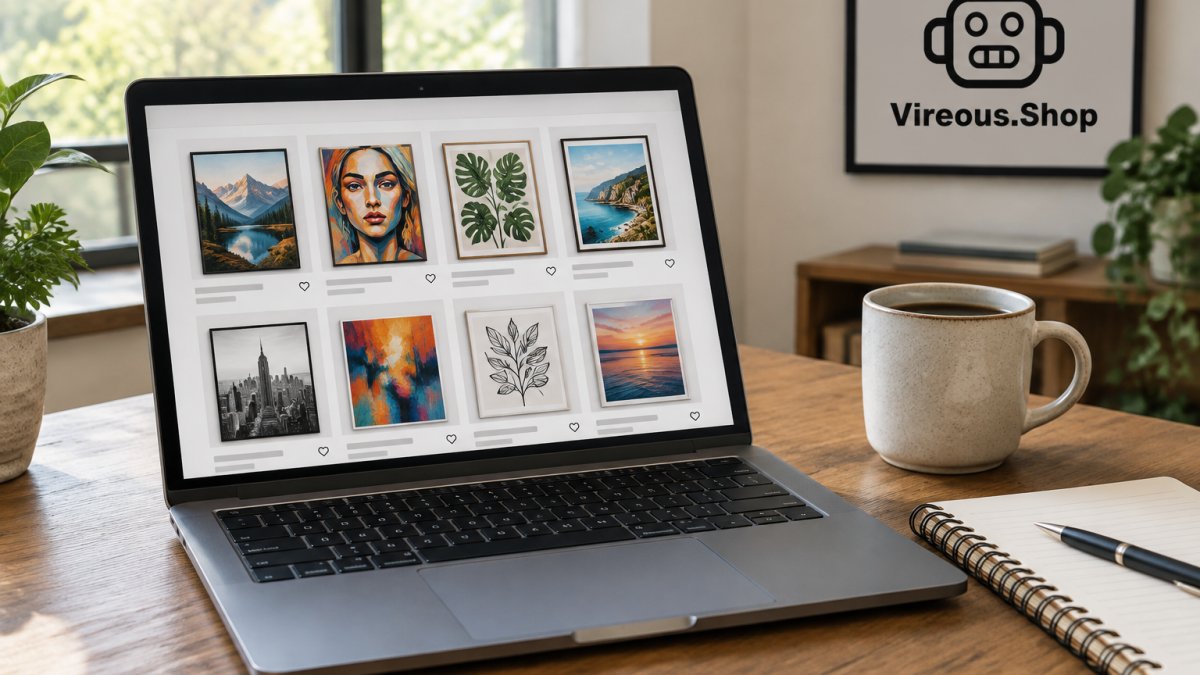
Niche Comparison: Demand, Competition, and Profit Potential
The table below summarizes how the six niches compare across the factors that decide whether a seller makes money. Instead of vague labels, each column ties to a concrete signal you can check before you invest.
| Niche |
Demand Signal to Check |
Competition Level |
Best Product Fit |
Profit Mechanics |
| Pet portraits |
Search volume for 'custom pet portrait' on major marketplaces; number of recent reviews on top listings |
High |
Canvas prints, mugs, apparel |
High emotional value supports premium pricing; repeat gifting drives word of mouth; personalization limits mass production |
| Family and couple portraits |
Seasonal spikes around weddings, anniversaries, holidays; search volume for 'custom family portrait' |
Medium |
Framed canvas, digital files |
Highest average order value in this list; buyers accept preview-and-approval workflows; revision requests add labor cost |
| Interior-style wall art |
Search volume for room-specific terms like 'kitchen wall art' or 'dark academia print' |
High |
Canvas, framed prints |
Volume-driven; print-on-demand keeps inventory risk low; style consistency is the differentiator, not per-unit margin |
| Meme and absurdist art |
Social sharing velocity; number of recent reviews on top listings; trend cycle length |
Low to medium |
Canvas, apparel, stickers |
Spiky demand; low production cost per design; revenue uneven, so catalog breadth matters more than depth |
| Hobby communities |
Search volume for community-specific terms (e.g., 'birder gift', 'knitting art print') |
Low |
Prints, apparel, digital |
Smaller addressable audience but higher conversion; loyal buyers; need several micro-niches to sustain volume |
| Branded apparel and creator merch |
Number of active creators in a given category; restock frequency on top listings |
Medium |
T-shirts, bags, hoodies |
Bulk orders and repeat business; margins depend on print supplier and order size; buyers expect brand consistency |
Demand here means how often buyers search, not how many sellers exist. High competition is a reason to enter with a sharper angle, not to skip the niche.
Watch out: treating 'High' demand as a green light without checking whether top listings have recent reviews can lead you into a niche where buyers search but do not purchase. Always verify active buying, not just search volume.
 Infographic comparing demand, competition, and profit potential for various digital art niches
1. Pet Portraits and Animal Parody Art
Pet portraits are the strongest entry point for most new sellers. Dog and cat owners buy art of their animals at a surprising rate, and parody angles like a pug painted as a Renaissance noble add humor to a sentimental purchase.
What works here is personalization. A buyer sends a photo, you generate a portrait in a chosen style, and the result is a one-of-a-kind gift. Our cat portrait in an ornate Secessionist style shows how far a single animal photo can be pushed into fine art.
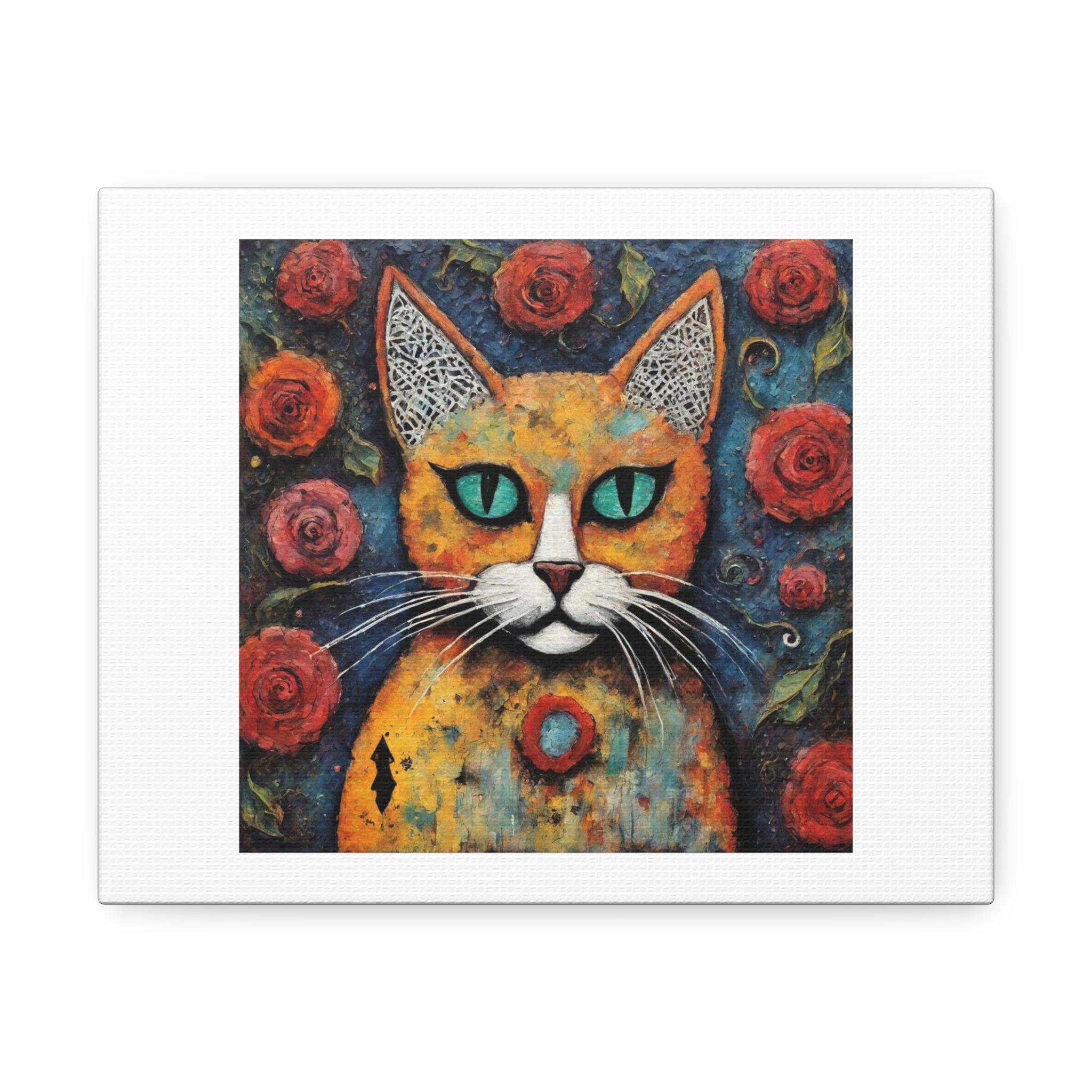 Cat Portrait, Ornate Secessionist Style Art Print 'Designed by AI' on Canvas
Pros: high emotional value, strong gift demand, easy to explain.
Cons: crowded on large marketplaces, so style and turnaround become the differentiator.
Best for: sellers who can turn around a custom portrait quickly.
Skip if: you want a fully hands-off catalog with no customer input.
2. Personalized Family and Couple Portraits
Family and couple portraits carry the highest average order value in this list because buyers commission them for weddings, anniversaries, and holidays. They are shopping for a keepsake, not art.
The winning move is style variety. Offer a classic oil-painting look, a modern line style, and a decorative patterned style so buyers can match the portrait to their home. Our family portrait in the style of Gustav Klimt is a good example of the decorative end of that range.
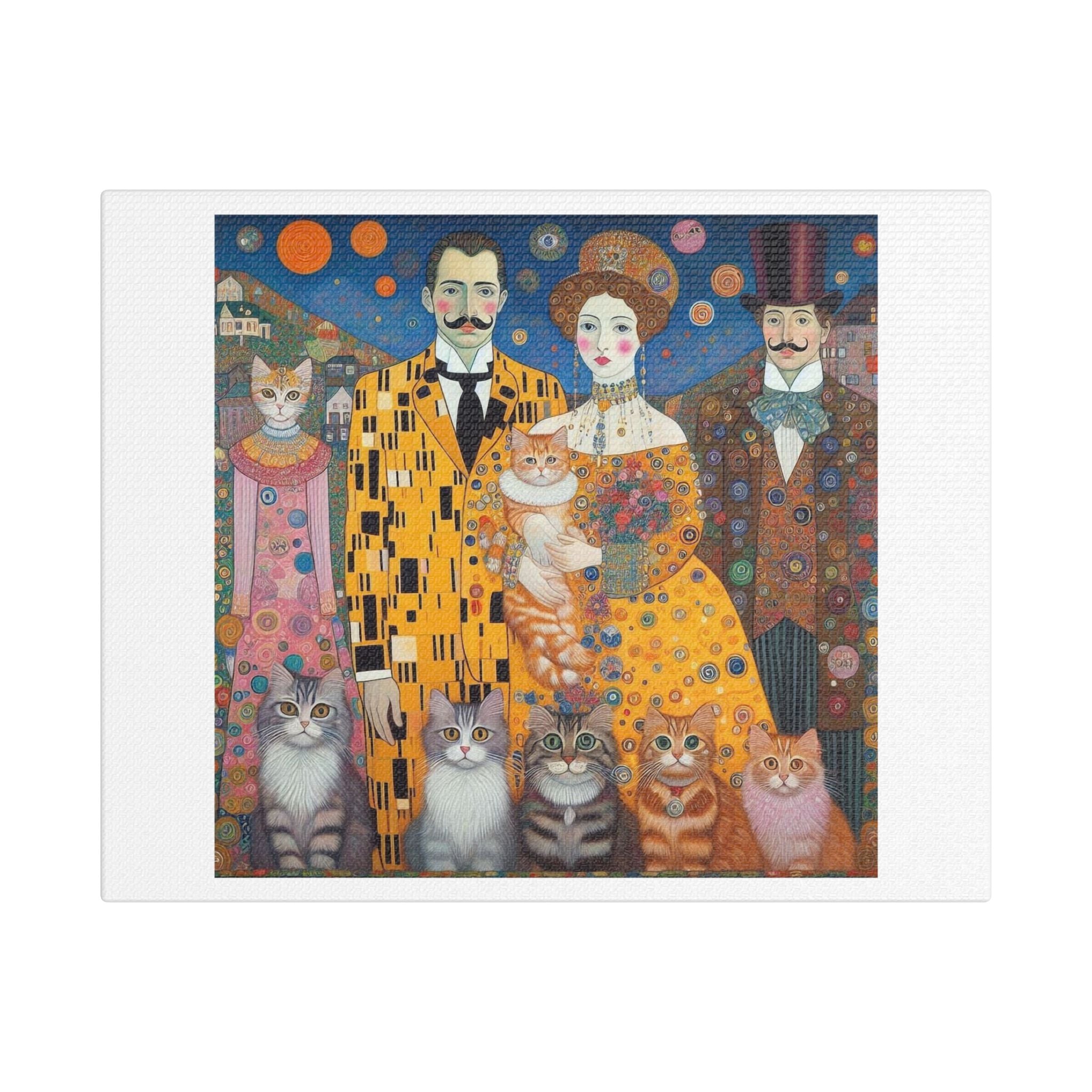 Family Portrait in the Style of Gustav Klimt 'Designed by AI' Art Print on Canvas
Pros: premium pricing, strong seasonal spikes, natural word of mouth.
Cons: buyers are picky about likenesses, so previews matter.
Best for: sellers willing to show a preview before printing.
Skip if: you cannot handle revision requests.
3. Home Decor Wall Art by Interior Style
Interior-style wall art sells to buyers who are decorating, not commemorating. They search by room and mood: kitchen art, home office art, dark academia, coastal, maximalist. Match your listings to those searches and you meet buyers ready to spend.
This niche rewards volume and consistency. A tight collection of twenty prints in one style outsells two hundred random images. For buyers building a creative home office, our guide to AI-generated wall art for creative home offices covers how to match pieces to a room.
Pros: evergreen demand, easy to scale with print-on-demand.
Cons: heavy competition, so style consistency is what gets you found.
Best for: sellers who can commit to one visual style.
Skip if: you prefer one-off commissions.
4. Meme, Absurdist, and Pop Culture Art
Absurdist and meme art is the least crowded niche on this list and the most unpredictable. Buyers are younger, share purchases on social media, and respond to humor over craftsmanship. When a piece lands, it sells in bursts.
The risk is trend decay. A meme has a shelf life, so keep your catalog broad and refresh it often. Our absurdist art print exploring a cross section of the human mind shows the tone that works: strange, confident, and funny without trying too hard.
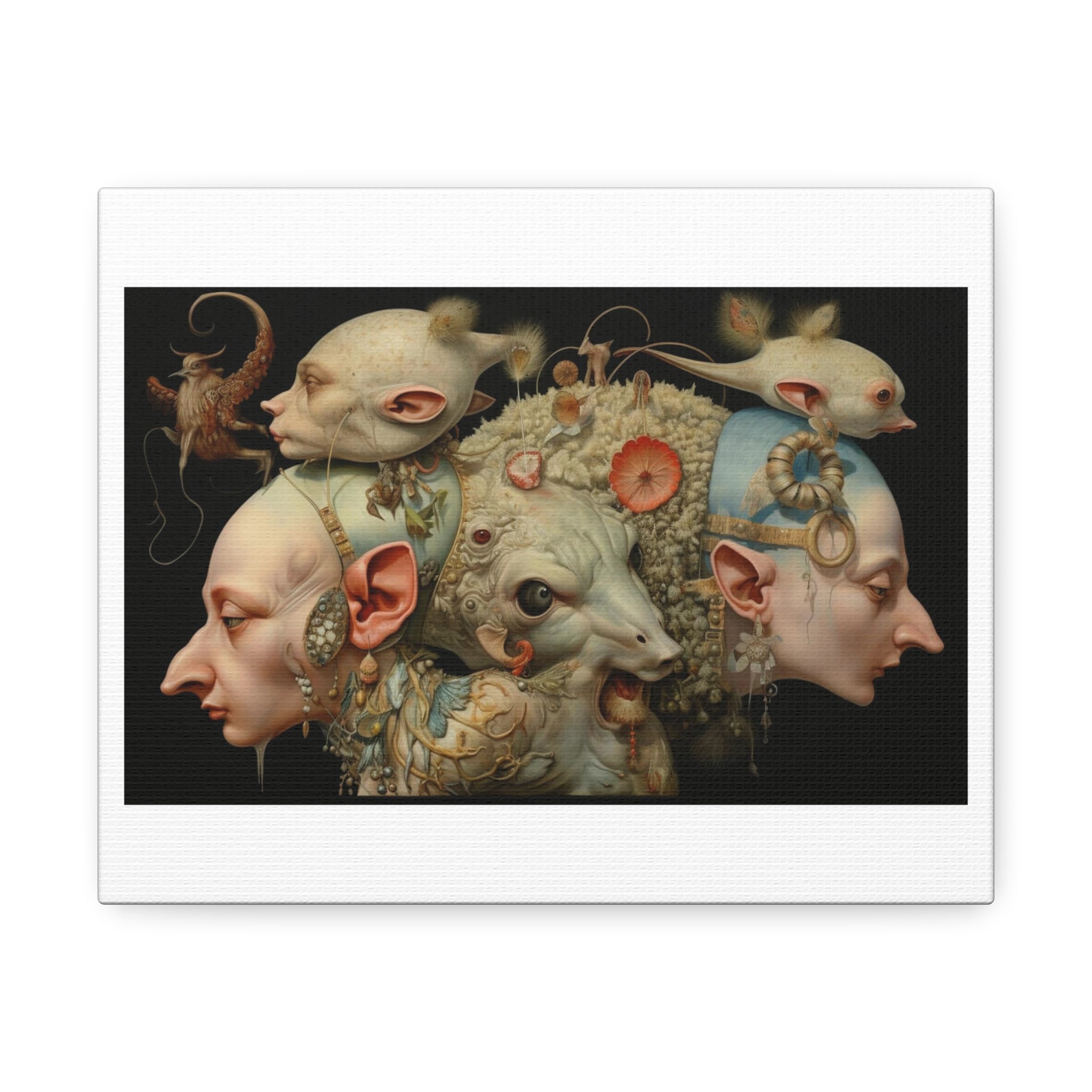 The Breath Of Nightmares Absurdist Art Style 'Designed by AI' Art Print on Canvas
Pros: low competition, strong social sharing, cheap to test.
Cons: demand swings fast, so revenue is uneven.
Best for: sellers with a social audience and a fast production loop.
Skip if: you need predictable monthly sales.
5. Niche Fan and Hobby Communities
Hobby communities buy art that speaks their language: birders, gardeners, runners, gamers, knitters, campers. The audience is smaller, but conversion is higher because the art feels made for them.
This is where differentiation is easiest. A generic landscape print competes with thousands; a print of a specific bird in a specific style competes with almost nothing. Research the community's vocabulary before you design, and let their words shape your titles and tags.
Pros: loyal buyers, low competition, easy to stand out.
Cons: small addressable audience per niche, so you need several.
Best for: sellers who enjoy research and niche knowledge.
Skip if: you want one catalog that appeals to everyone.
6. Branded Apparel and Creator Merch Art
Creator merch has the clearest path to repeat revenue. As creators refine batch designs into distinctive pieces, Roxy Rich Fine Art offers a useful point of comparison for how original art can shape a visual identity.
The buyers here are practical. They want consistent branding, reliable sizing, and a supplier who can handle a restock. Our breakdown of the benefits of high quality custom apparel for branding explains why print quality shapes how an audience perceives a creator's merchandise.
Pros: bulk orders, repeat business, strong margins on small runs.
Cons: buyers expect professional consistency across every item.
Best for: sellers who can hold a brand style across dozens of products.
Skip if: you only want to sell single prints.
How to Validate a Niche Before You Invest
Validation takes a weekend, not a month.
1. Marketplace demand check. Search the niche on a major marketplace and note how many listings appear and how many top listings have reviews from the last 90 days.
2. Style gap check. Identify three styles or product formats the top sellers are not offering.
3. Keyword and search intent check. Use a free keyword tool or the marketplace's search suggestions to see what buyers actually type.
4. Test listing check. Create five test designs with clear titles matching the long-tail phrases you found.
5. Community check. Ask five people in the target community whether they would buy the product and what they would search for to find it. Their words become your tags and titles.
Watch out: listing dozens of designs before testing any of them wastes money on products nobody asked for.
Where to Sell AI Art Online
Where you sell matters as much as what you sell. The main channels are print-on-demand storefronts, handmade marketplaces, digital download shops, and stock or licensing platforms. Each suits a different product type.
Print-on-demand suits wall art and apparel with no inventory to hold. Digital downloads suit buyers who want a file to print themselves. Licensing suits sellers with a large, consistent catalog. Choose the channel that matches your niche's product fit from the table above, not the one with the lowest fees.
Frequently Asked Questions
Is selling AI art profitable?
It can be, but profit depends on the niche and the format. Wall art and apparel carry real printing and shipping costs, so margin comes from choosing a niche where buyers pay for personalization rather than generic images. Pet portraits and personalized family art support higher prices because the buyer cannot get the same result elsewhere. Track platform fees, print costs, and ad spend per sale before assuming a niche is profitable, and start with a small batch of listings to test demand.
Which types of AI art sell best online?
Personalized work sells best: pet portraits, family portraits, and gifts tied to a specific person or occasion. Wall art grouped by interior style and meme or absurdist pieces also move well because buyers shop by mood and room. Niche community art for hobbies and fandoms has steady demand but stricter trademark rules. The common thread is that the buyer wants something specific to them, not a generic image they could generate themselves.
Can you sell AI art on Etsy?
Yes, and Etsy remains one of the strongest channels for AI art because buyers already search for personalized gifts and wall decor there. Etsy requires sellers to disclose AI use in listings and to follow its handmade and production partner rules, so read the current policy before you list. Competition is heavy in broad categories, so a narrow niche plus clear product photos and accurate sizing information gives you a better chance of ranking and converting.
How do you choose a niche for AI art?
Start with buyer demand, then check competition. Search your candidate phrase on the marketplaces you plan to use and count how many listings show strong sales or reviews. Pick a niche where buyers ask for customization, because that is where AI art has an edge over stock images. Validate with a handful of listings before investing in a full catalog, and confirm the niche does not rely on trademarks or celebrity likenesses you cannot license.
How much can you make selling AI art?
There is no reliable published average, and anyone quoting a fixed monthly figure is guessing. Your revenue depends on niche demand, price point, platform fees, and how much you spend on promotion. A realistic approach is to calculate profit per item first: subtract printing, shipping, and marketplace fees from your sale price, then work out how many sales you need to cover your time. Start with a small catalog, measure conversion, and scale the niches that actually sell.